sectionhiker.com

Plantar Fasciitis: A Hiker’s Guide to Heel Pain

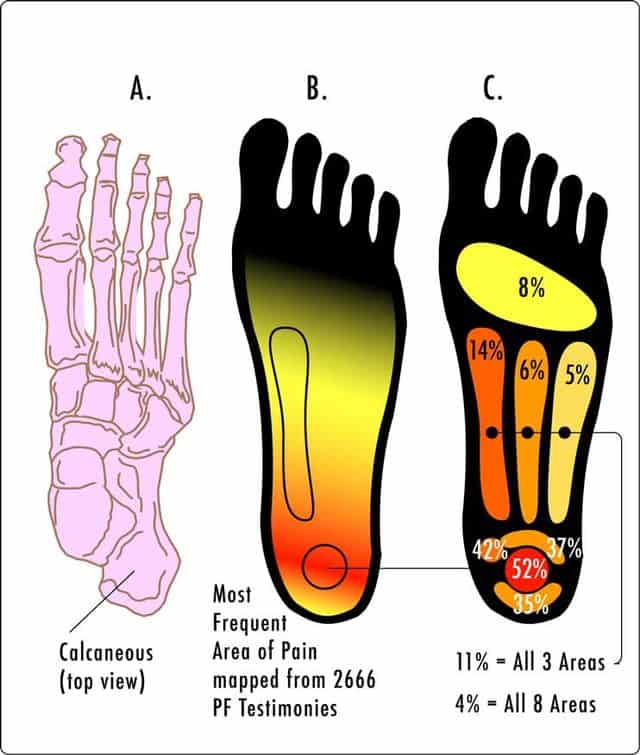
Plantar Fasciitis is a very common and painful foot condition experienced by many hikers. I know, I've had it. It is a repetition injury often caused by hiking or running and presents itself as chronic heel pain. This pain is caused by the inflammation of the ligament that connects your heel bone to the ball of your foot.

I've found that the best way to cure plantar fasciitis is to simply stop hiking for an extended period of time, like over the winter, AND to get a pair of boots with better arch and heel support. While it is possible to reduce the pain temporarily through stretching, applying ice packs, and taking anti-inflammatory medications, you need to give your body time to heal and takes steps to prevent a recurrence.

Step 1: You should stop hiking, possibly for a few months. Check with your doctor if you have any questions, but rest is best.

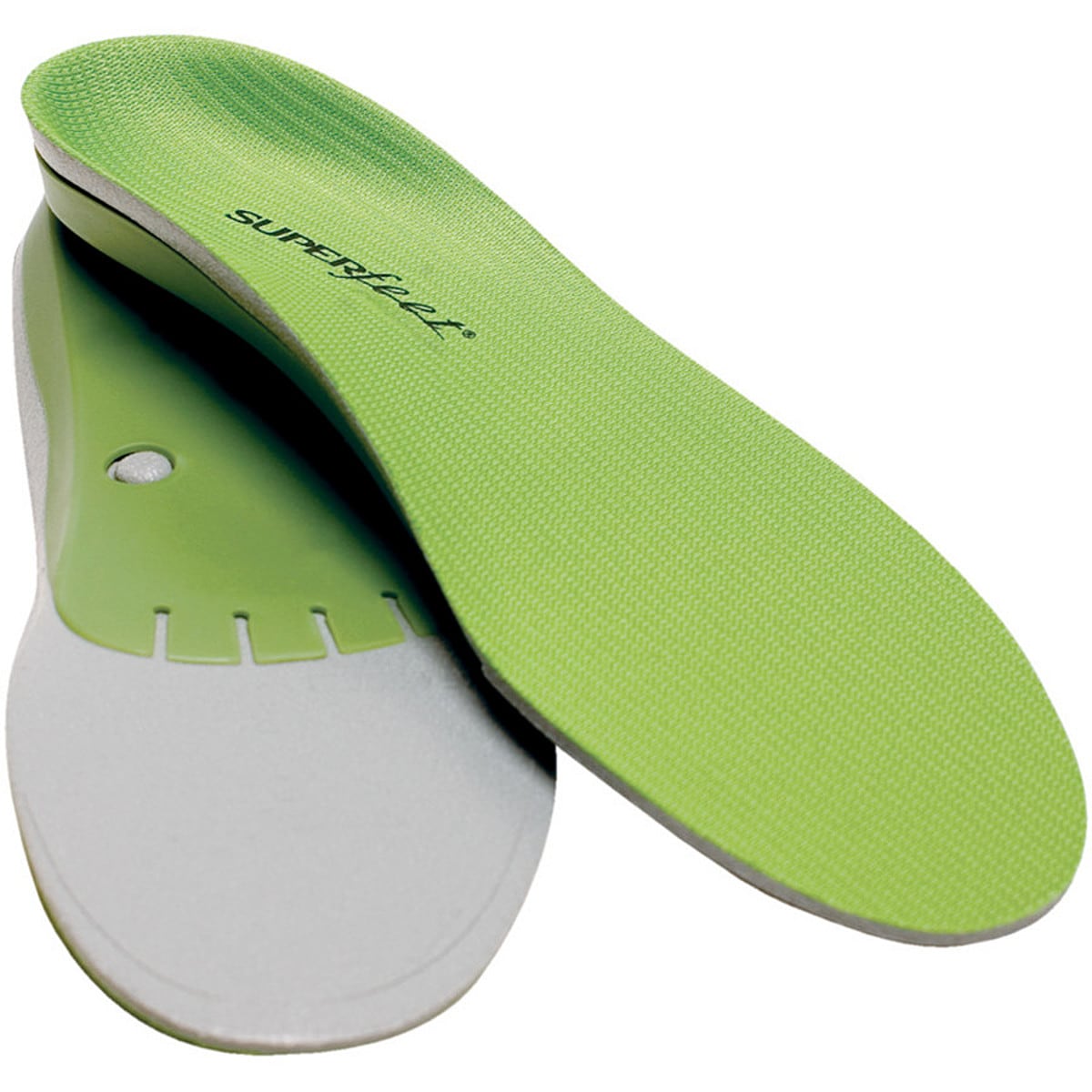
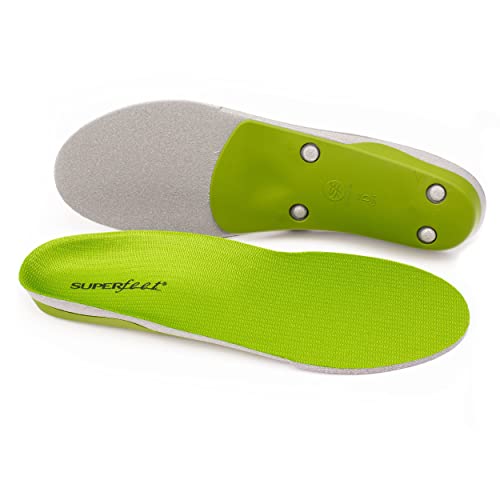
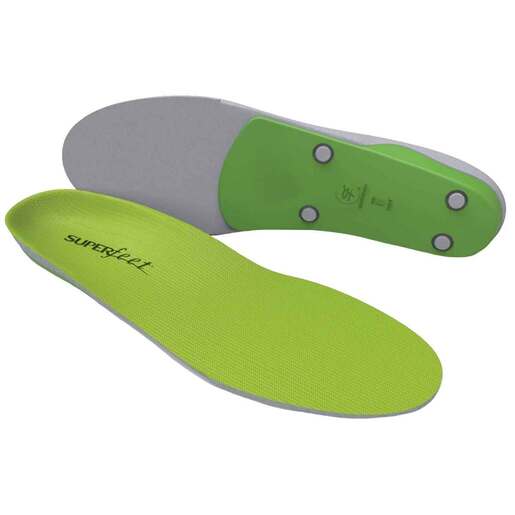
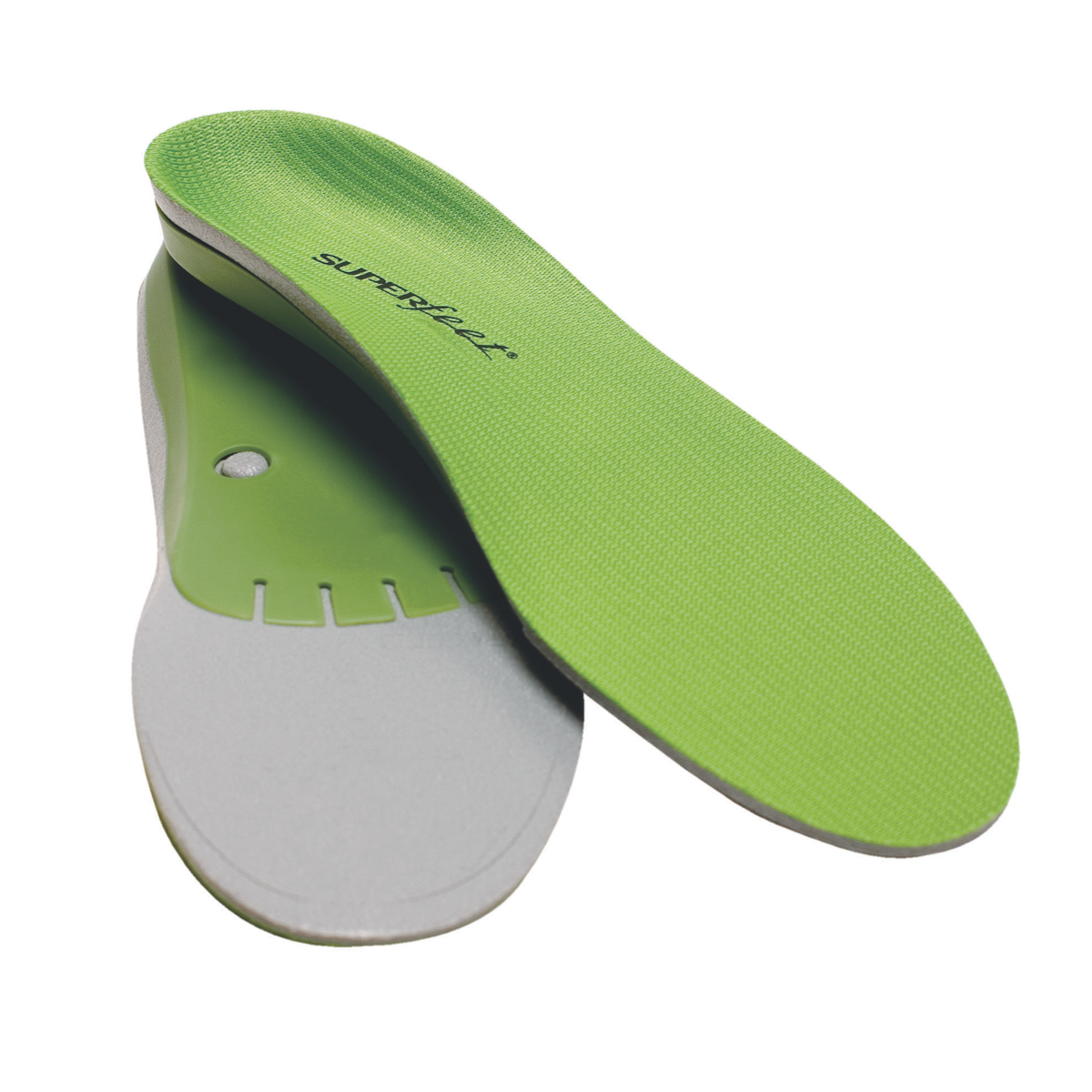
Step 2: Find someone at an outdoor retailer who really knows how to fit a pair of hiking boots. REI provides select members of their staff with this training, so you might want to try there. Call first. These people are worth a drive. Next, get some new boots that cup your heel very snuggly and replace the factory foot bed with a after-market one from Superfeet. Most factory foot beds that come with boots are a complete joke. Superfeet has different models with different degrees of firmness and arch support so you will need to experiment. It's also possible that you may need custom orthotics, particularly if your arch has fallen. Next, go hike about 50 miles to break in your boots and the foot beds.

Step 3: If you can, lose some weight: either body weight or pack weight. It will help reduce the stress on your feet.

Hopefully, by now, you'll be pain free and ready to enjoy the outdoors again.

Tags

  • Share/Bookmark

Related posts:

  1. Asolo Fugitive GTX Hiking Boots

10 Responses to “Plantar Fasciitis: A Hiker’s Guide to Heel Pain”

  1. wayne lauden says:

    After 3 years of battling this in both feet, I found the solution was a combination of (1)shoe inserts (that rebalance the stresses on the foot) (2)hiking shoes that have some padding in the heel below the inner sole (3) massaging the ligament between the heel and the ball of the foot, and most importantly, (4)daily “runner style” leg stretching (without which the soreness creeps back)

    Pay attention to soreness! Happy walking and hiking.

  2. kerrizor says:

    I noticed a link to this in your plastic mountaineering boot review.. I’m dealing with this myself this winter, and its horribly painful and frustrating

  3. Earlylite says:

    Kerri – I’m really sorry to hear that. I hate to say it, but the best thing to do if you have a bad case is to stop all recreational activities for the winter that involve walking or running to let the inflammation go down. This takes a while and no amount of ibuprofen will help. It will go away. And once it’s gone, something like Superfeet or other orthotics can work wonders. I’ve never had a relapse and I do a lot of backpacking/climbing.

  4. I had a bad case back in 2000 or so. Finally I went to a good foot Dr. She had me toss all my shoes out and get one solid pair. Since then I have worn boots with at least 3/4 shanks.
    Every time I wear trail runners that flex too much, I am back in pain.

    I did something this fall and have it back once again. And I was wearing trail runners when I did it. Most likely I did the damage when I was trying to keep up with my husband.

    Learned my lesson: extremely stiff hiking boots, good insoles and stretching.

    I though have never quit hiking and walking. The Dr. showed me how to tape my foot up – which will help your foot heal fast.
    When I quit walking my foot is more likely to get re injured when I start back up.

    Also, roll your foot at night and morning over a hard/smooth water bottle (old Nalgene). Helps stretch the foot.

  5. Earlylite says:

    Good boots and superfeet keep me healthy. I am not tempted by lightweight trail shoes. I know not to mess with something that works.

  6. lostalot says:

    I had some painful “this will sting a little” steroid injections for mine with no improvement. Think twice about stretching a strained ligament; I found it best not to. A few weeks of minimal walking was all that helped.

  7. Jarra says:

    I had problems with this too. Keep it under control by
    1. Getting custom orthotics from a podiatrist.
    2. Walking in boots with a stiff midsole.
    3. Find someone who knows yoga and get them to teach you a “downward dog”. This is the best stretch for your plantar fascia, calf and hamstring.

    These steps make it manageable for me.

  8. Tranina Glover says:

    I learned something new here, tonight. When I am able to feel no pain I’ll start yoga again. I have already used the bottles for stretching. I’m taking an anti-inflammatory. I have a pair of Scarpa Trionics for hiking, walking, and one day backpacking again I hope. I’ve ordered a pair of Dansko’s clogs. And I am getting reflexology treatments and acupuncture. And I’m getting better. I’m also rubbing a rose petal flower oil and arnica on both feet around the inside heel. Most of all I’m trying to rest with my feet up. But I can’t rest for long or else I can’t move. So a little walking around, doing chores loosens up my feet or something. I love to hike so I’m doing and trying anything to get better.

  9. Dave in miami says:

    I had a terrible case. I work construction, walking on rocks all day, sometimes 10-12-16 hours. My heels were a mess. Couldn’t stand when getting up from bed or when getting up from sitting over 10 minutes. Tried everything. Podiatrist, shots, stretching, ice, powerfeet insoles, different shoes, rolling golf ball, stretching then ice, everything. This lasted a couple years. Finally the doctor wanted to cut my ligaments from my heel. I had heard about Ossatron aka
    Extracorporeal Shock Wave Technology (ESWT).
    My doc said it works but insurance doesn’t cover it. I kept insisting thats what I wanted. So I paid $500, had it done. Went back to work the next day. It took about 6 weeks but I got better. I make sure now to stretch and sometimes need ice but I am out of the MISERY from before, with no surgery. I don’t know what further problems surgery could have caused. Just my experiance.
    Dave

Trackbacks/Pingbacks

  1. Plantar fasciitis: quick tips for sufferers

Leave a Reply


Disclosure

This site is supported by affiliate marketing. However, all product reviews and opinions expressed herein are based on first hand experience, and unbiased by monetary compensation.

License

All photography and writings are mine unless stated and the following Licence applies except, I retain all rights to photography including all uploaded and linked work to this site. Permission is needed to use any photos.

Creative Commons License
This work is licensed under a Creative Commons Attribution-No Derivative Works 3.0 Unported License


Copyright © 2008-2010 sectionhiker.com.
Rss Feed Tweeter button Facebook button Technorati button Reddit button Myspace button Linkedin button Webonews button Delicious button Digg button Flickr button Stumbleupon button Newsvine button Youtube button